AI Scams Start in Your Inbox: How to Protect Messages, Data, and Identity in 2026
AI email scams are no longer just a threat—they’re flooding inboxes right now. Fake senders use deepfake emails and clever phishing tricks to steal your identity and personal data. You need clear steps to spot these attacks and protect your messages. This post shows you how to stop AI phishing in 2026 and how OptMsg’s opt-in email keeps your inbox safe by letting only trusted contacts through. For more insights, check out this guide on spotting and avoiding AI-powered scams and deepfakes in 2026.
Understanding AI Email Scams
AI email scams are becoming a major concern. These scams are not only more frequent but also increasingly tricky to detect. Here, we will explore how these scams work and what makes them so convincing.
Recognizing AI-Driven Threats
You may think you can spot a scam easily, but AI-driven threats are different. These scams use advanced technology to mimic real people. They gather information from social media and other public sources to create convincing messages. Over 60% of people can’t tell these scams apart from genuine emails.
AI can even clone voices. Imagine getting a call that sounds like a family member asking for help. It’s not just emails; it’s a full-scale digital impersonation. This makes it critical to stay vigilant and question unexpected requests.
Common Tactics: Phishing and Spoofing
Phishing and spoofing are the bread and butter of AI scams. They trick you into revealing personal details by pretending to be someone you trust. Phishing emails might look like they’re from your bank, asking you to verify your account details. Spoofing goes a step further by altering the sender’s address to look legitimate.
Phishing attacks are getting smarter. Cybercriminals send over 3 billion phishing emails daily, hoping someone will take the bait. Always double-check email addresses and URLs before clicking. If something seems off, it’s best to verify with the source directly.
The Rise of Deepfake Emails
Deepfake technology is not just for videos; it’s making its way into emails too. These emails can mimic the writing style of someone you know, making them even harder to spot. By2026, deepfakes could account for 50% of all scam attempts.
Deepfake emails often contain urgent requests, playing on your emotions. They might claim a loved one is in trouble, urging immediate action. Always take a step back and verify the story before responding.
Protecting Your Inbox and Identity
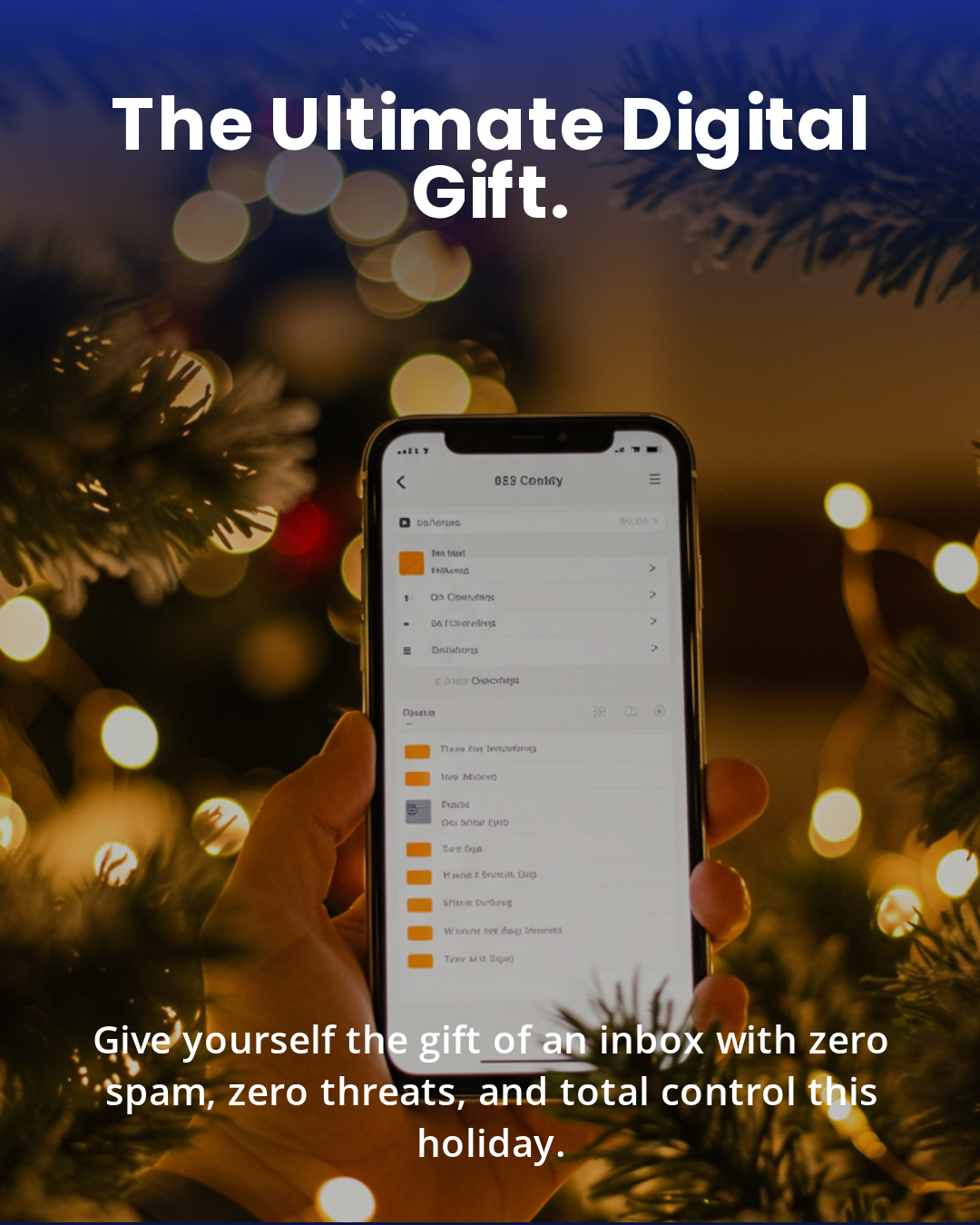
Protecting your inbox is more crucial than ever. As AI scams evolve, your defense strategies should too. Let’s dive into effective ways to shield your email and personal details from these clever attacks.
Effective Email Security Tips
Start with basic security measures. Use two-factor authentication on all your accounts. This adds an extra layer of protection, making it harder for scammers to access your information. Regularly update your passwords and avoid using the same one across multiple sites.
Be cautious with attachments and links. Even if an email looks legitimate, double-check before clicking. Hover over URLs to see where they lead. If an email asks for sensitive information, verify it through another channel before responding.
Spoofed Sender Protection Strategies
Spoofed emails appear to come from trusted sources. To protect yourself, use tools that verify the sender’s authenticity. Services like these can alert you if an email doesn’t match the expected sender profile.
Educate yourself and others. Many people still fall for spoofed emails because they don’t know what to look for. Share what you learn with friends and family to help them stay safe too.
No-Password Email Security Benefits
Consider email services that offer no-password security. These systems use other methods to verify your identity, reducing the risk of password theft. It’s one less thing to worry about in an age where passwords can be a weak link.
No-password setups are becoming more popular. They offer peace of mind and ease of use. You’ll never have to worry about forgetting your password or someone else guessing it.
Choosing OptMsg for Peace of Mind
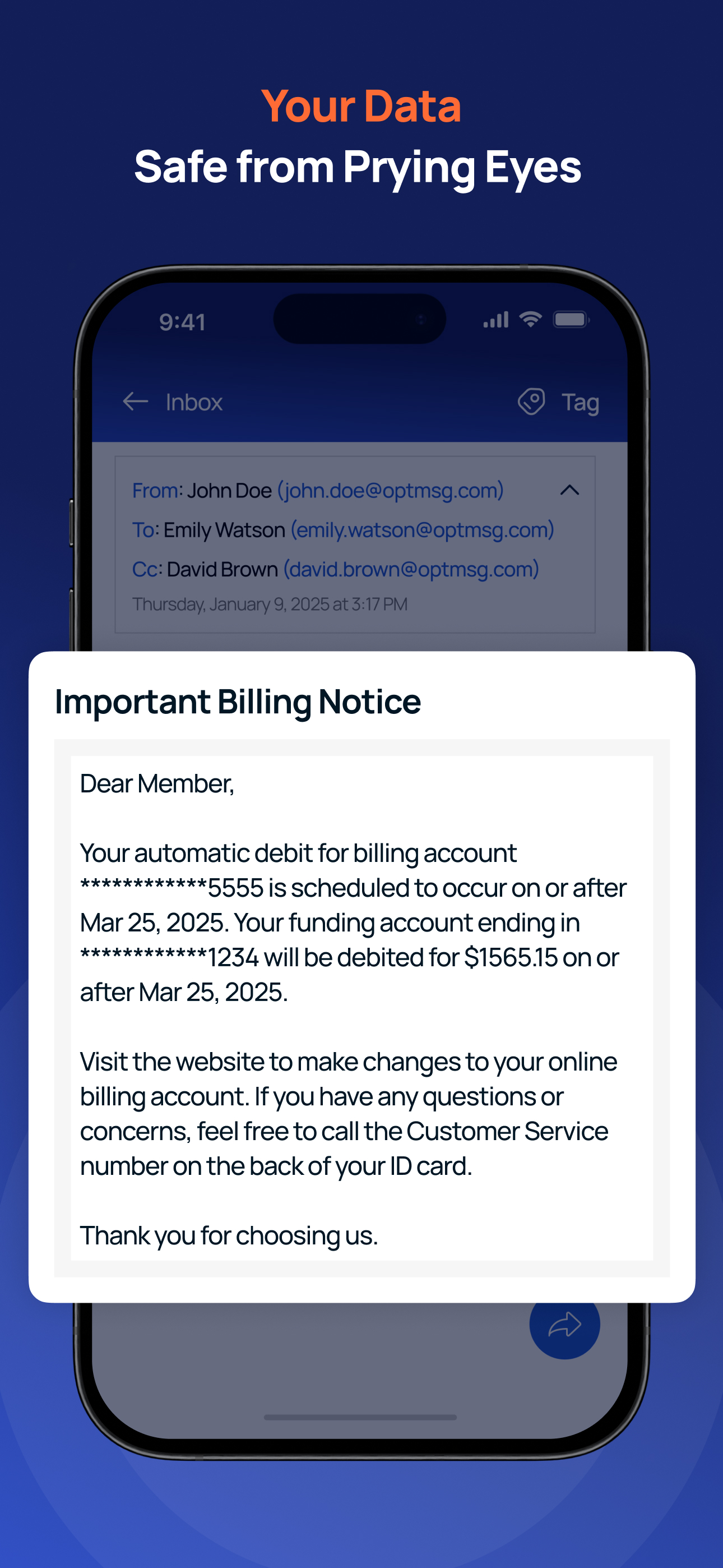
OptMsg offers a unique solution to keep your inbox safe. By focusing on trusted contacts and community verification, it provides a layer of security that traditional email services lack.
How OptMsg Blocks AI Email Scams
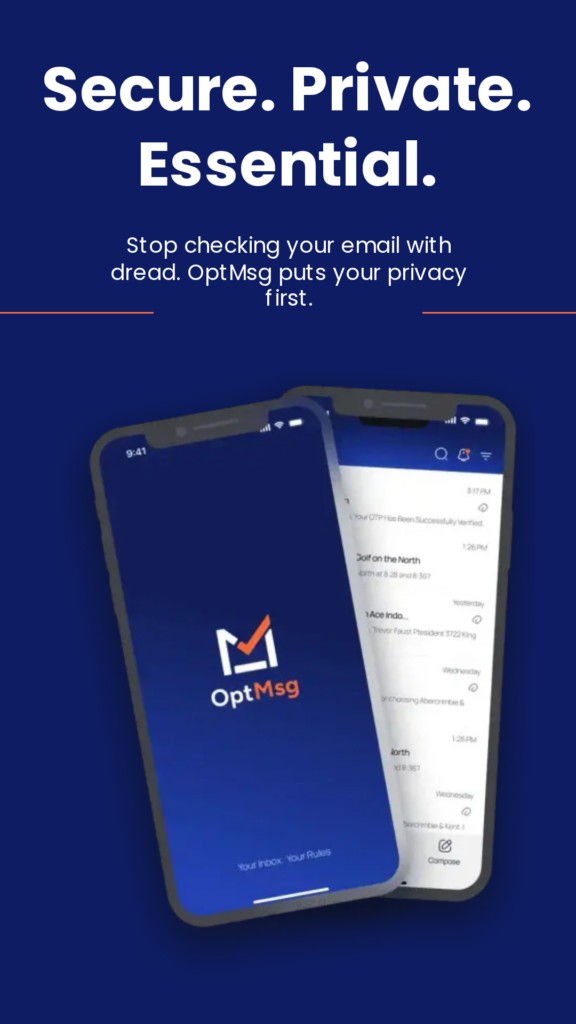
OptMsg uses a patent-pending system to ensure only approved senders can reach you. This means fewer chances for scammers to slip through. The service automatically filters out unknown senders, keeping your inbox clean and secure.
You gain control over who can contact you. This reduces the risk of falling for phishing or spoofed emails. It’s like having a personal gatekeeper for your inbox.
Benefits of Opt-in Email Service
An opt-in email service means you decide who can send you messages. This reduces spam and increases your security. No more wading through endless junk emails to find the important stuff.
This approach also protects your data. OptMsg doesn’t sell your information to advertisers, ensuring your privacy remains intact. It’s a simple yet powerful way to take back control.
Community-Verified Senders for Safety
OptMsg’s community verification adds an extra layer of safety. This feature lets users rate and recommend trustworthy senders, helping others know what’s safe. It’s like a neighborhood watch for your inbox.
Participating in this community helps everyone stay protected. The more people join, the safer the network becomes. It’s a collective effort to make email safer for everyone.
OptMsg is redefining email security. By focusing on trusted connections and community support, it offers a fresh approach to inbox protection. Taking control of your email has never been more important. Why not start today?